
Every year, from late October to early November, Mexico transforms with vibrant marigolds, candlelit altars, colorful papel picado, and the comforting aroma of traditional food. However, one of the biggest misconceptions among visitors is that Day of the Dead is simply “the Mexican Halloween.” The truth is far more meaningful.
If you’re planning to visit Mexico during this season, here are some of the most common myths about Día de Muertos, the truth behind them, and a few tips to help you experience this beautiful tradition with respect.
False.
Although both celebrations take place around the same time of year, they have completely different origins.
Halloween traces its roots back to ancient Celtic traditions and has evolved into a celebration centered around costumes, candy, and entertainment.
Day of the Dead, on the other hand, is a uniquely Mexican tradition that blends Indigenous beliefs with Catholic influences. Its purpose is to honor and remember loved ones who have passed away.
For many Mexican families, these days are an intimate opportunity to symbolically reunite with those they miss most.
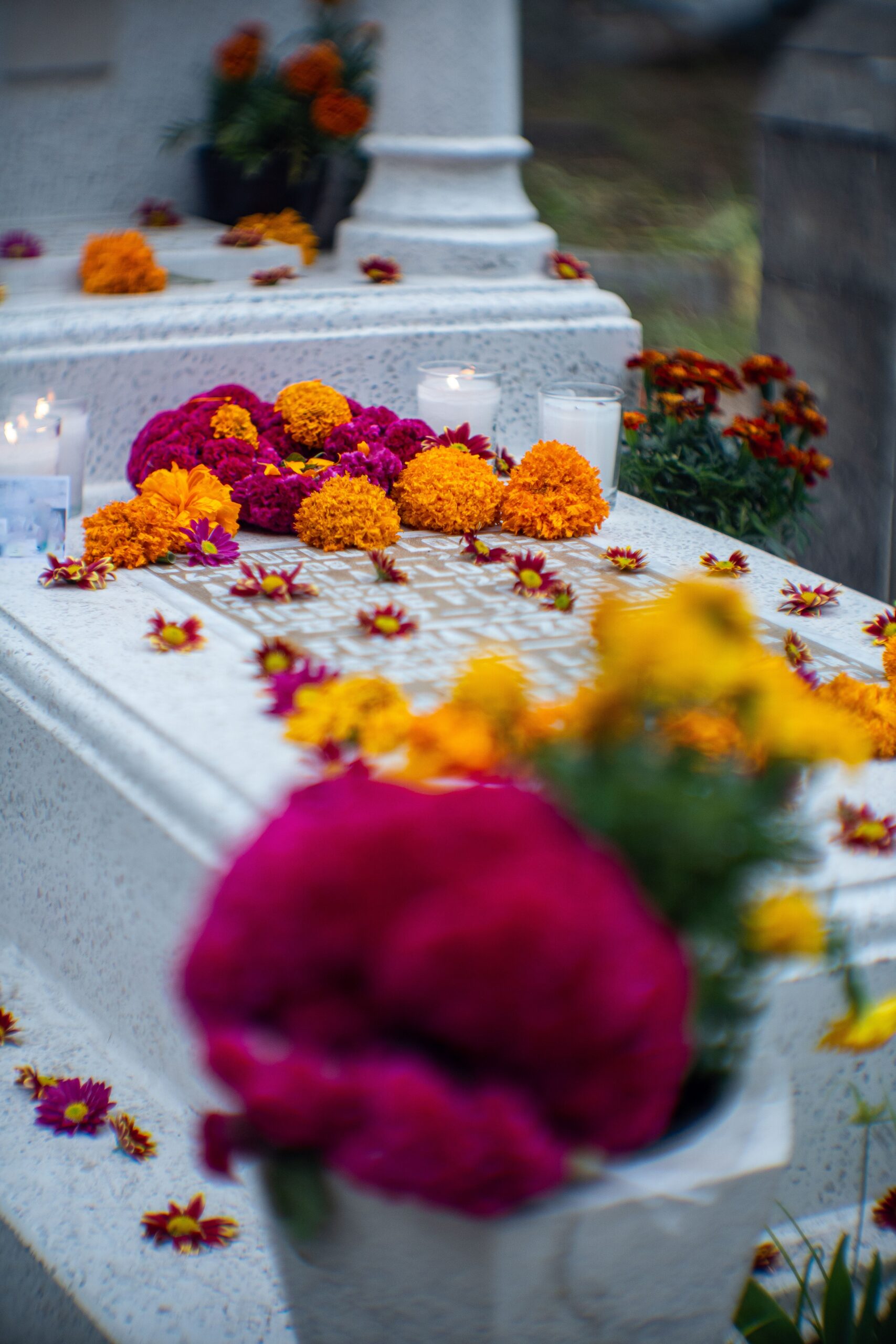
It depends on each family and their beliefs.
Some people deeply believe that the souls of their loved ones return home during these days.
Others see it as a beautiful metaphor that keeps memories alive across generations.
Regardless of personal beliefs, the heart of the celebration is remembrance, love, and the enduring bond between families.
False.
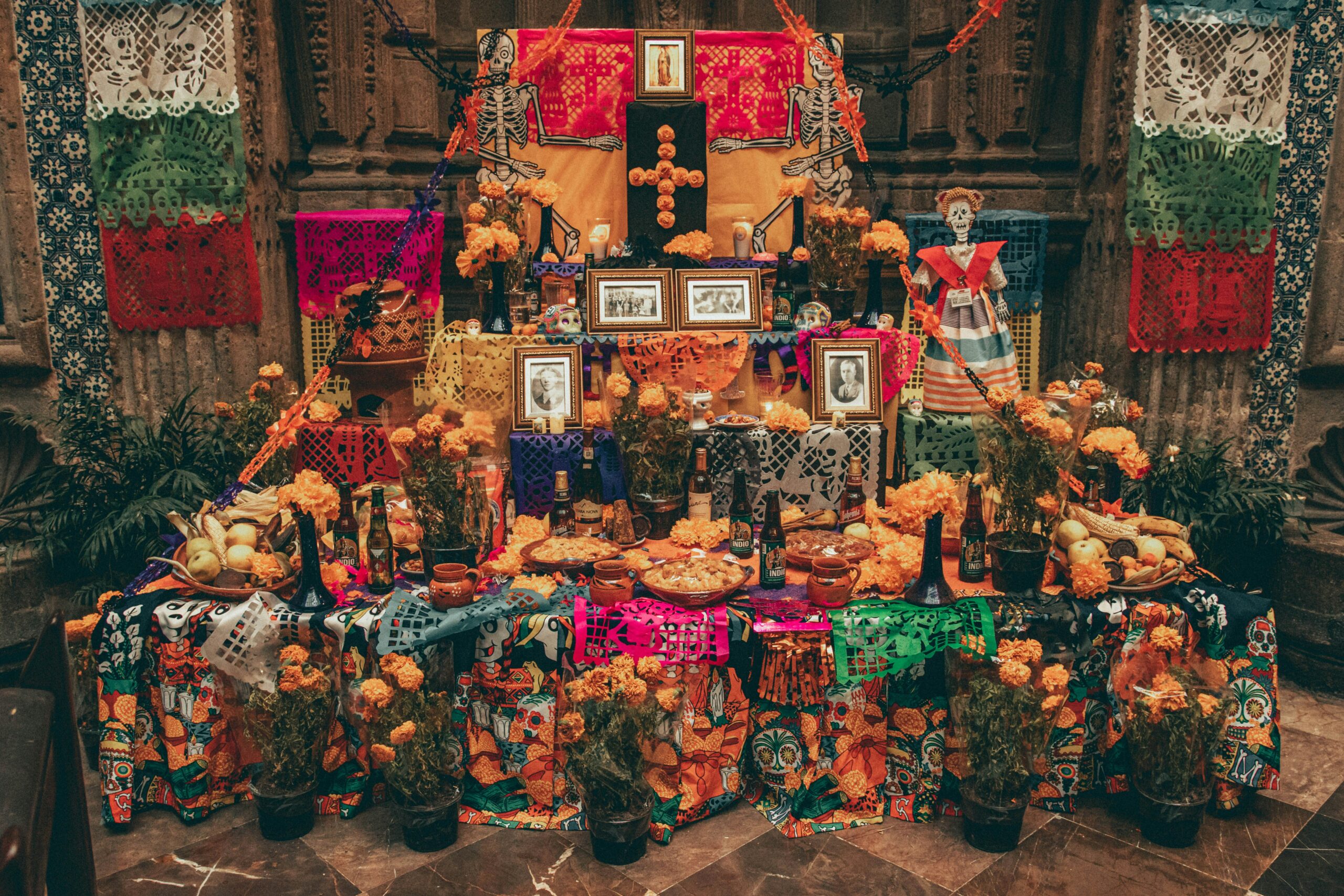
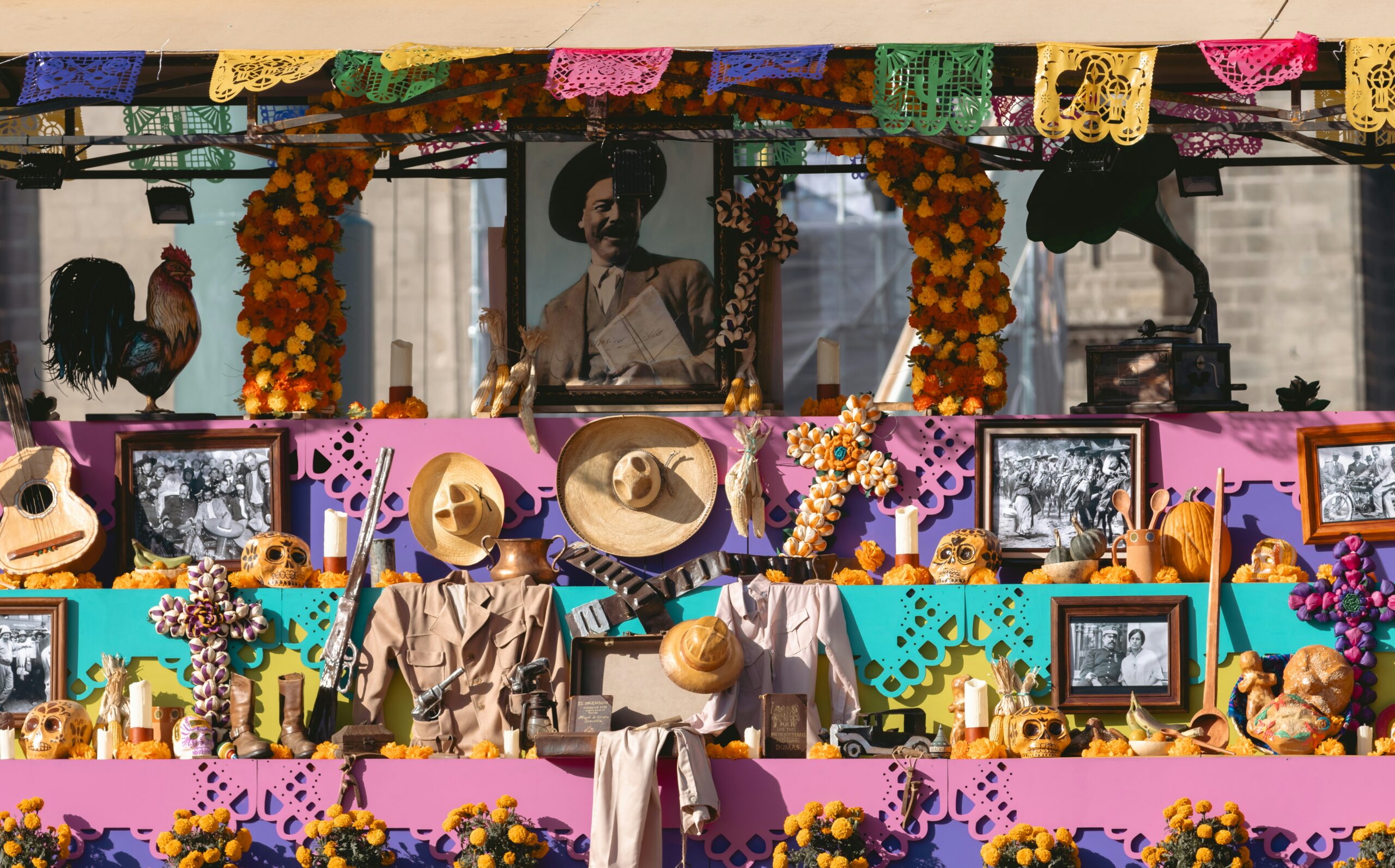
Every element placed on an altar has a special meaning.
A traditional ofrenda may include:
Every altar tells a unique story.
Not exactly.
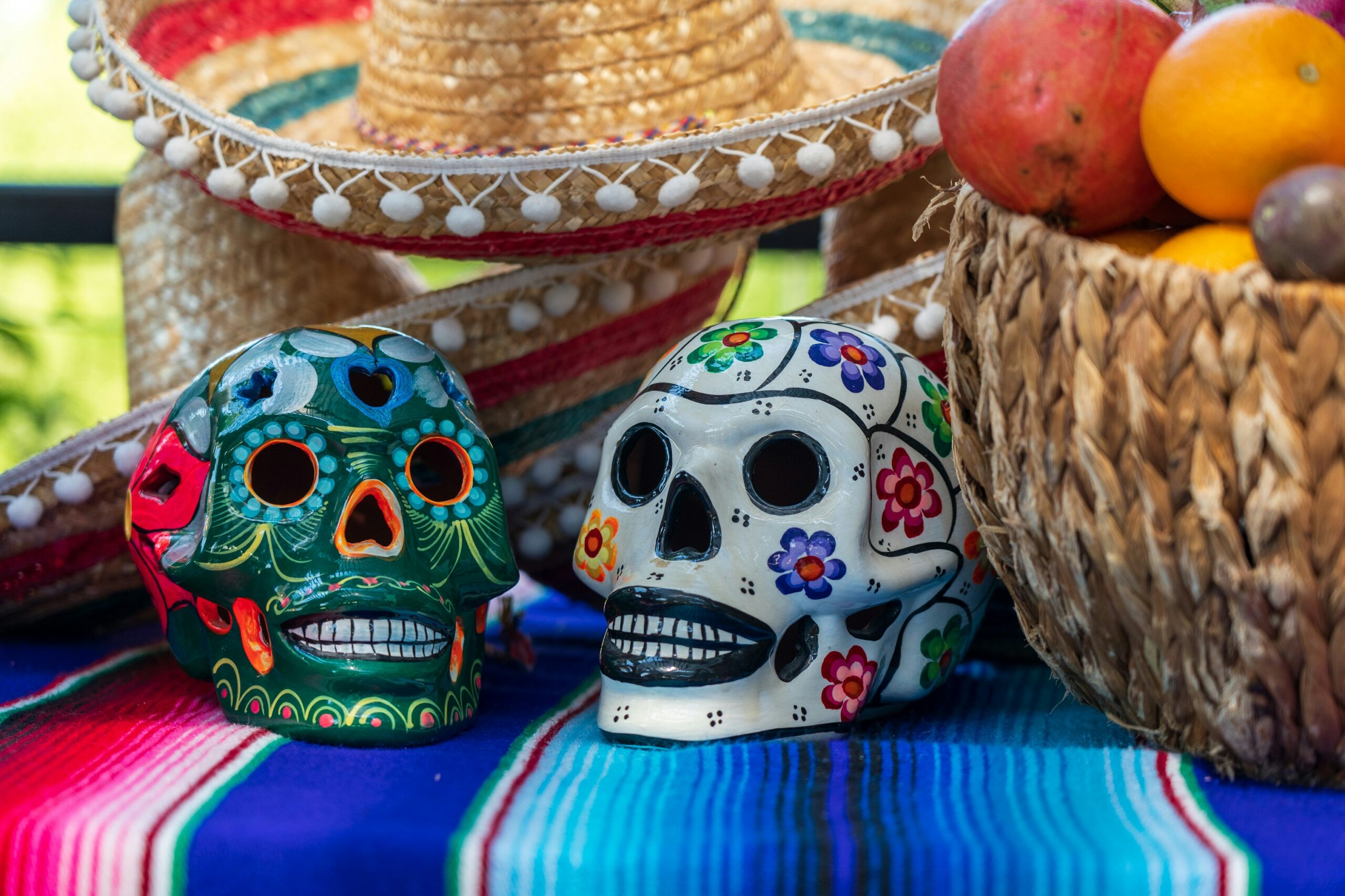
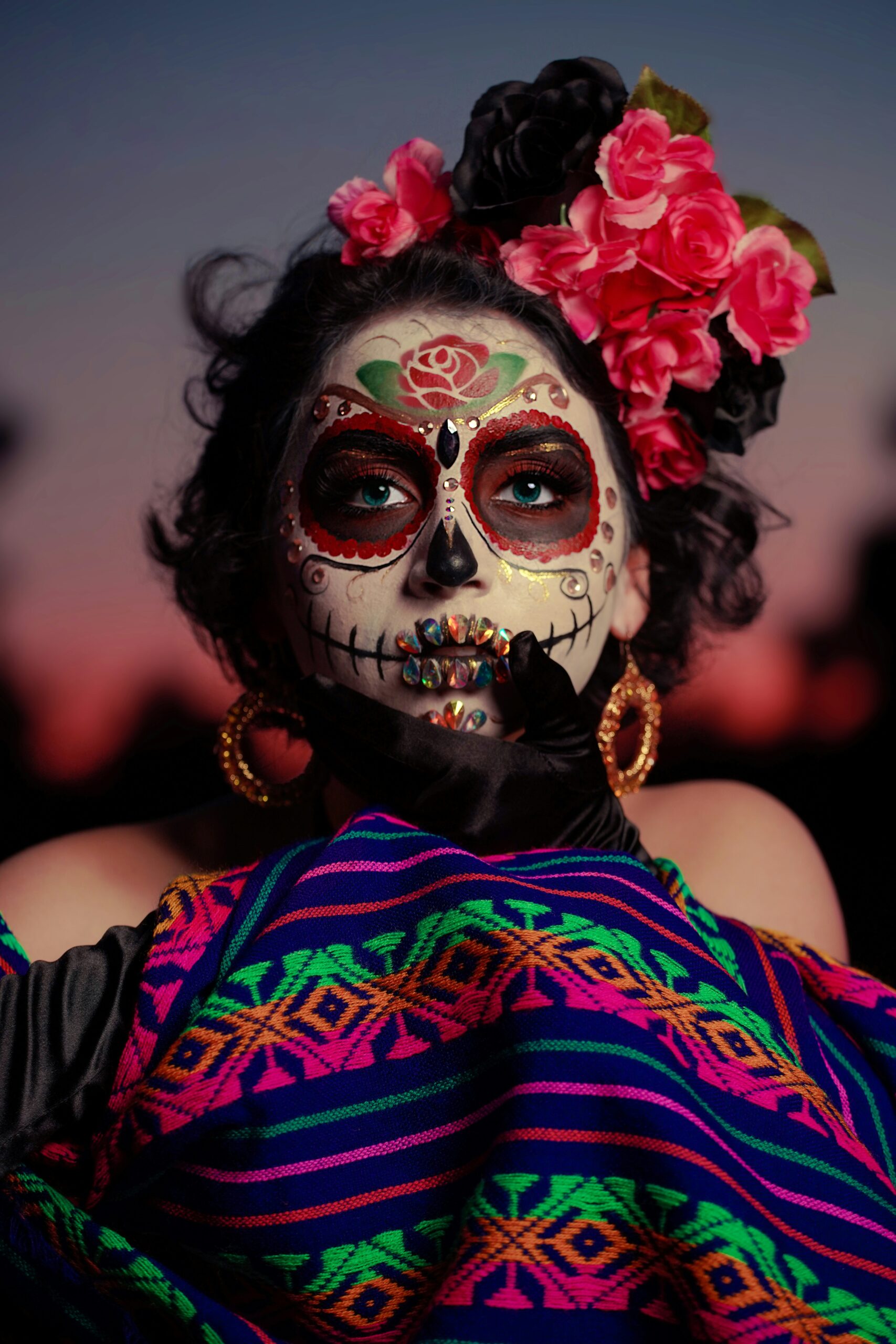
La Catrina was originally created by Mexican illustrator José Guadalupe Posada as a social satire aimed at people who tried to imitate European aristocracy while ignoring their own roots.
Years later, Diego Rivera immortalized her in his famous mural Dream of a Sunday Afternoon in Alameda Park, and over time she became one of the most recognizable symbols of Day of the Dead.
Today, La Catrina reminds us that no matter our wealth or social status, we all share the same destiny.
Not every altar is meant for photographs.
If you’re visiting a home, church, cemetery, or community altar, always ask permission before taking pictures, especially if families are present.
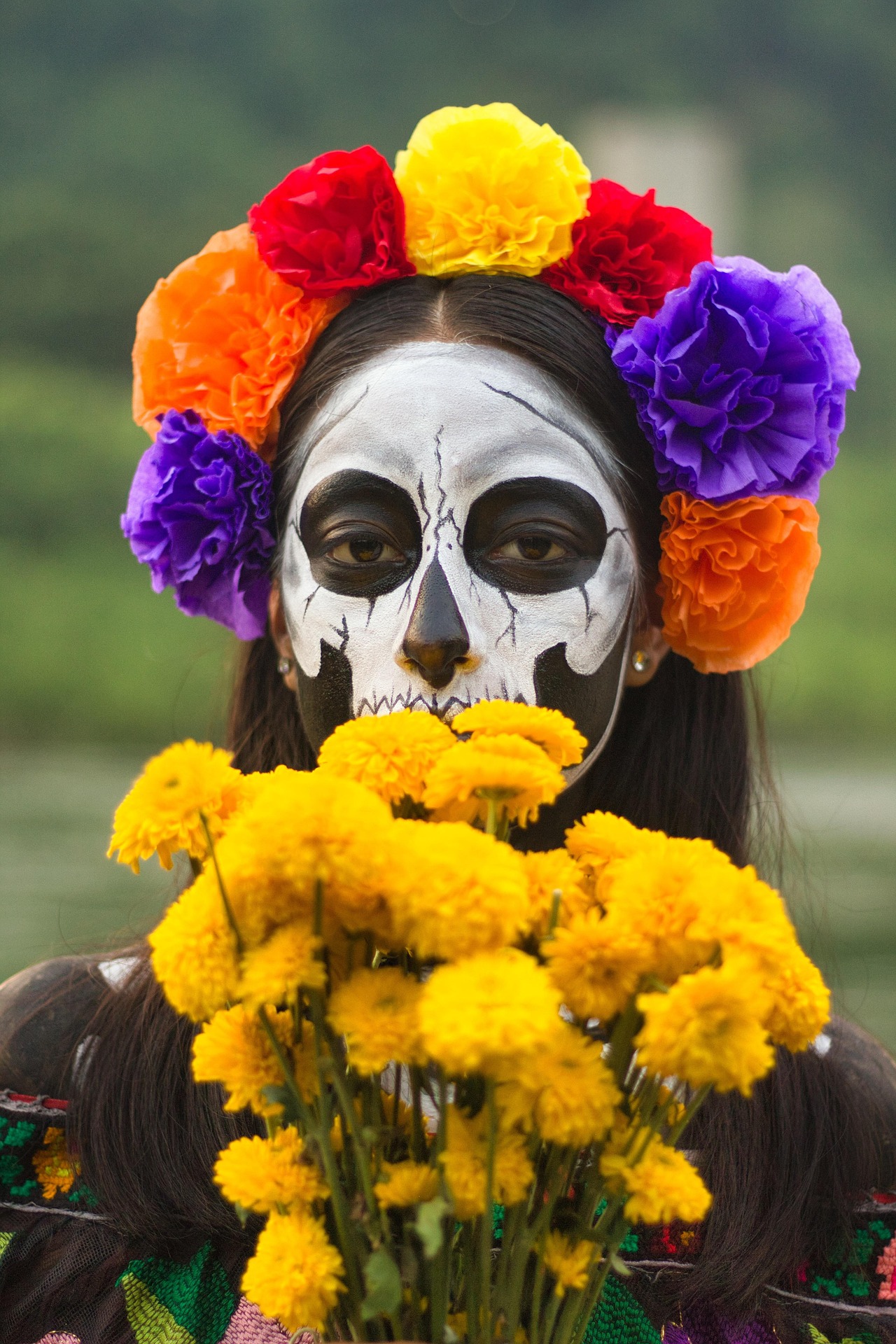
If you’re attending a parade, wearing Catrina-inspired makeup can be part of the celebration.
However, if you’re visiting a cemetery or a family ceremony, choose modest clothing and behave respectfully.
Don’t miss the chance to taste some of the season’s most iconic dishes:
Many of these foods are also placed on family altars as offerings.
Understanding the history and symbolism of Day of the Dead will make your experience far more meaningful.
Every flower, candle, color, and decoration has a story that reflects centuries of Mexican culture.
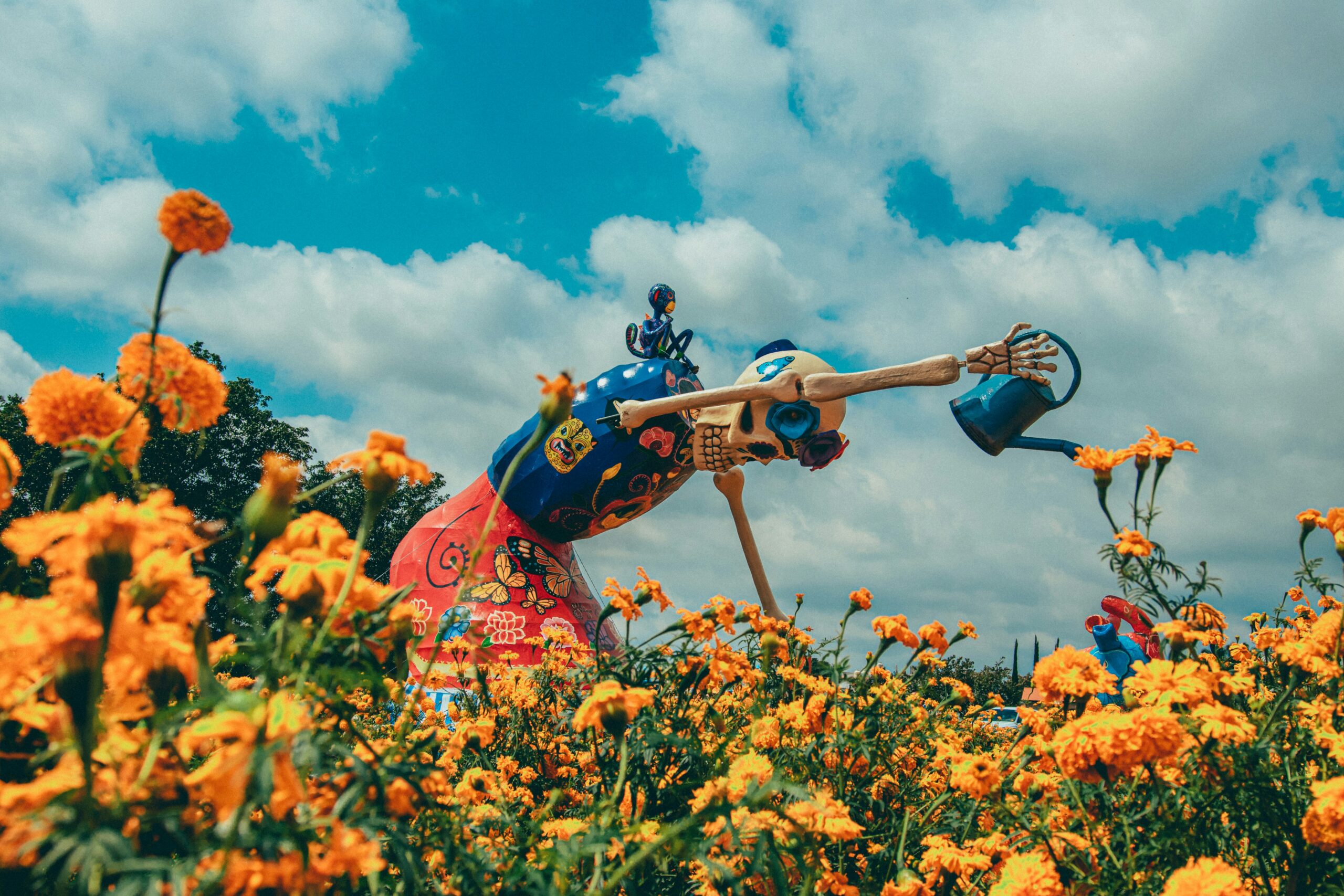
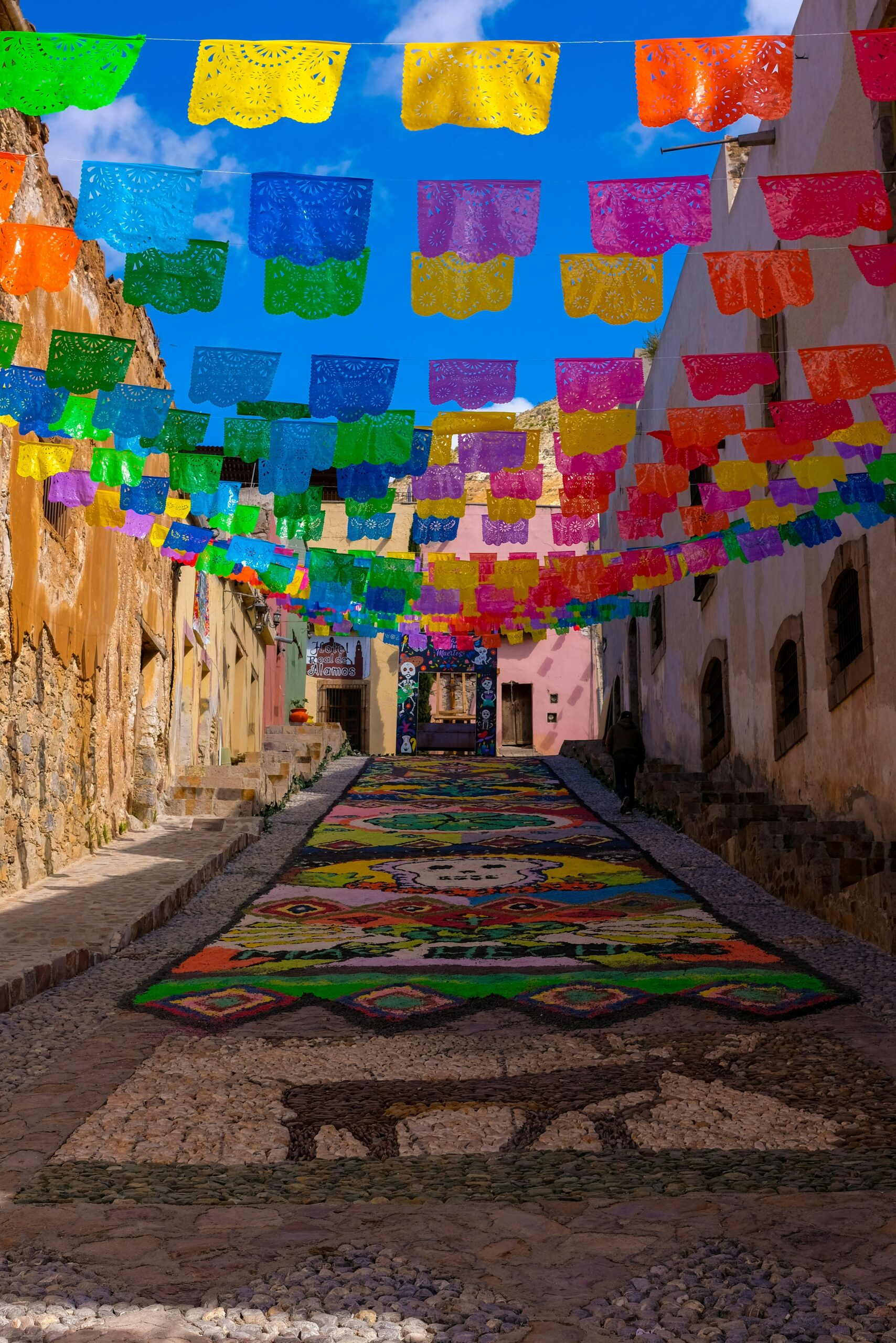
Every region of Mexico celebrates Day of the Dead in its own unique way.
In Mexico City, you’ll find spectacular parades, public altars, museums, and cultural events.
In towns such as Mixquic, Janitzio, or Pátzcuaro, you’ll experience more intimate community traditions that have been preserved for generations.
There isn’t just one way to celebrate Day of the Dead.
Visitors are warmly welcomed, as long as they remember they are experiencing a deeply meaningful cultural tradition—not simply a tourist attraction.
The best way to enjoy Day of the Dead is with curiosity, empathy, and respect.
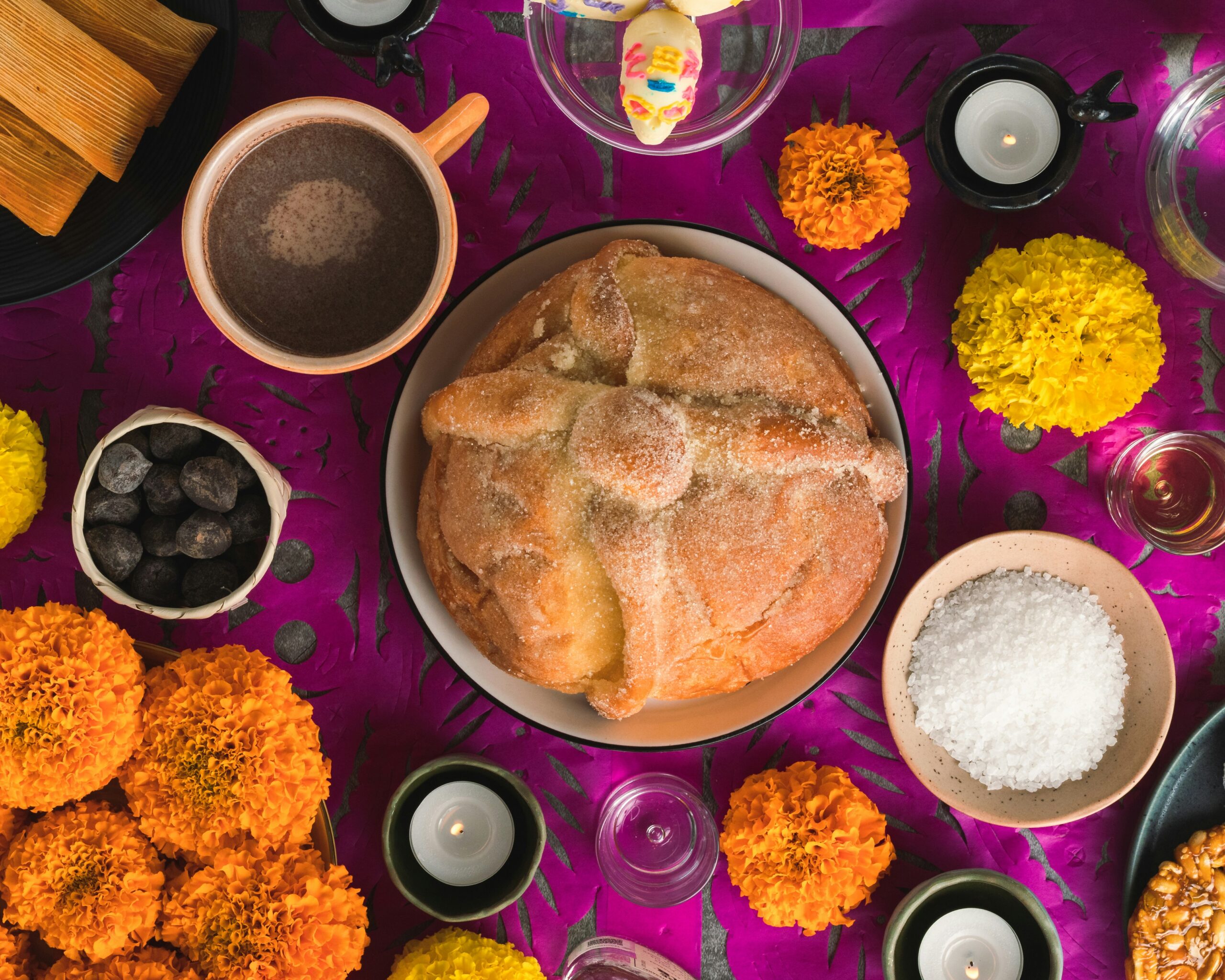
Experience Day of the Dead with Andares Tours.
At Andares Tours, we believe that travel is about more than seeing new places—it’s about understanding the stories behind them.
During the Day of the Dead season, we guide visitors through the Historic Center of Mexico City, sharing the origins of this extraordinary celebration, the symbolism of the altars, the history of La Catrina, and the traditions that make Día de Muertos one of Mexico’s most treasured cultural expressions.
If you’d like to experience Day of the Dead through the eyes of a local, join us for a walking tour where every street, every marigold, and every altar has a story to tell.
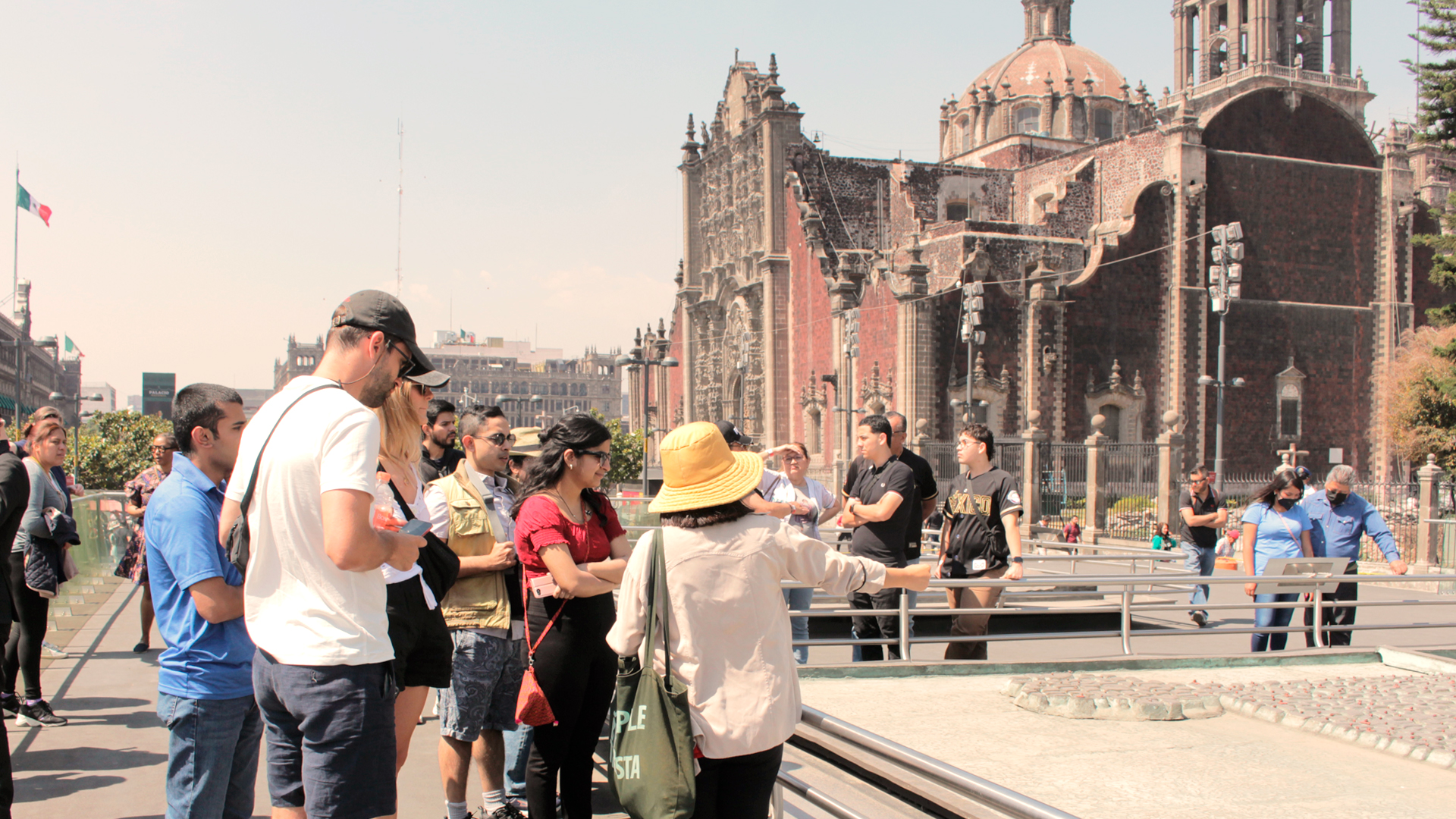
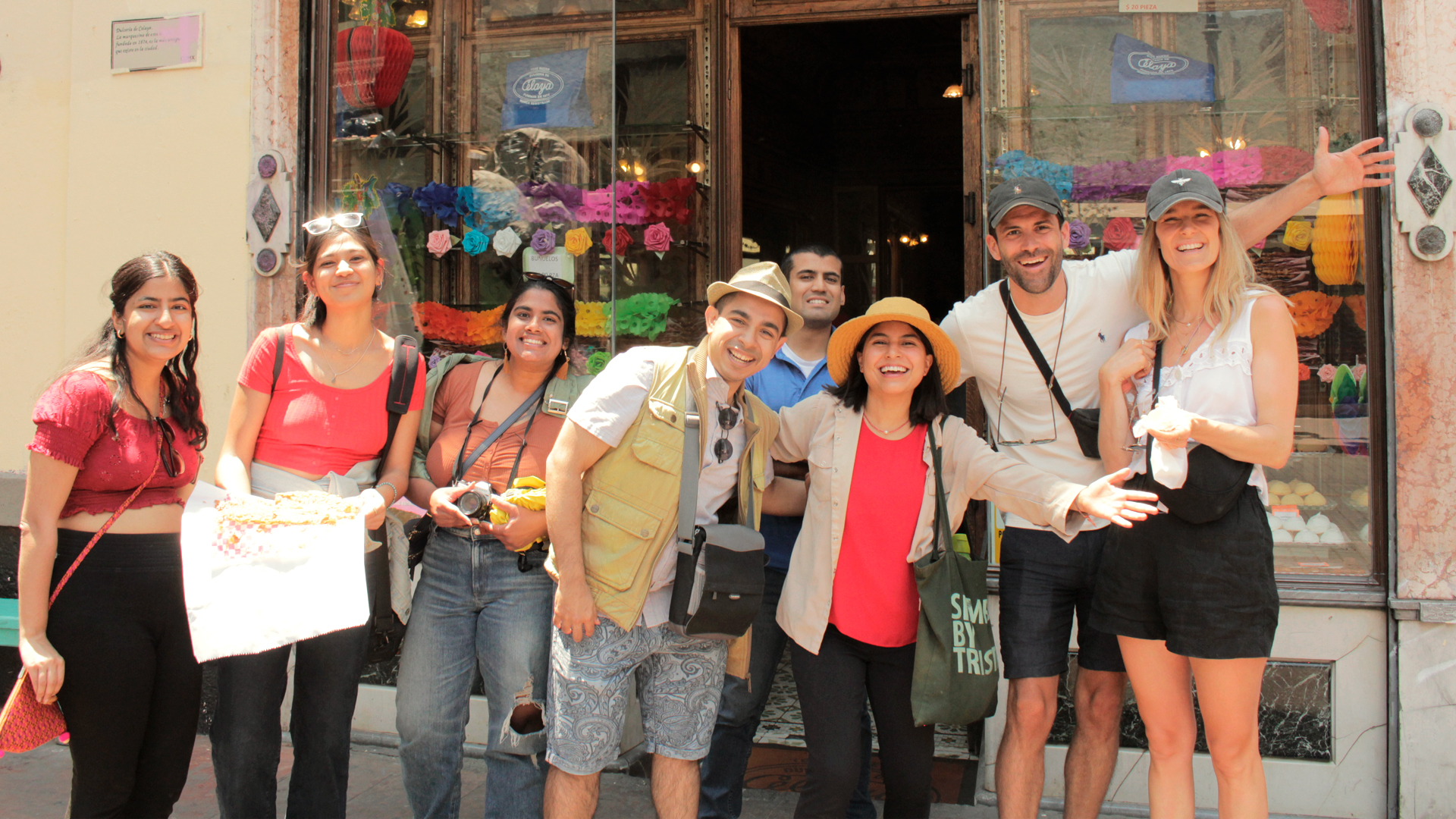
At Andares Tours, we believe that every visitor should experience Mexico City through the eyes of a local. Our guides are not just experts—they are passionate storytellers, eager to share the hidden gems and fascinating history that make this city so unique. From small group tours to private, tailor-made itineraries, we ensure an unforgettable journey every time.
Discover Mexico City With Us!